
San Juan County Arrest Warrants Explained
An arrest warrant is a judge's written order telling officers to bring someone into custody. Before signing one, a Utah judge reviews the charging information plus any supporting statements or affidavits to see if probable cause exists. Rule 6 spells out when a warrant can be used instead of a summons. Which court holds the case depends on the charge. In San Juan County, felony and class-A prosecutions belong to the Seventh District Court. A traffic failure-to-appear warrant, though, usually sits with a Justice Court and moves along its own separate track.
San Juan County Arrest Warrant Review
Utah Rule of Criminal Procedure 6 gives a judge room to issue a warrant rather than a summons. The grounds are specific: the person may not appear, a substantial danger exists, or a summons went unanswered. The judge must also find probable cause from the information and supporting material. Once the San Juan County court sets release terms, the clerk enters the order. A peace officer may then execute a state warrant anywhere in Utah and returns it to the magistrate as soon as practicable.
Inside a San Juan County Arrest Warrant
Internal BCI records can carry identifiers, court and case numbers, charge severity, bail terms, and service history. The public screen often shows less. San Juan County publishes no sample warrant number.
| Warrant number | Court-assigned identifier; no San Juan format was verified. |
|---|---|
| Person details | Name and identifiers may exist in restricted system fields. |
| Charge | Offense information and severity tied to the case. |
| Issuing court | Judge or magistrate and the court that controls recall. |
| Bail terms | Set by the judge; ask the Sheriff how to post it. |
| Service | Attempted, served, recalled, or reactivated status in internal records. |
San Juan County Warrant Clerk, Not Auditor
San Juan County's Clerk/Auditor at 117 S Main runs county administration and elections, not criminal files. District Court clerks keep the felony and class-A case records; Justice Court clerks hold traffic and lower-level entries. Call the wrong window and staff will send you elsewhere. Bring the court caption or case number so you reach the clerk who actually maintains the file.
Serving Arrest Warrants in San Juan County
The San Juan County Sheriff's Office runs the county jail and custody services. Monticello and Blanding police handle city enforcement. Statewide, a peace officer may serve a state warrant anywhere in Utah; federal warrants go through the U.S. Marshals and the federal courts. After an arrest, the county says a judge reviews the probable-cause statement and sets bail. Booking and release timing vary. The county publishes no warrant walk-in window or same-day release promise.
San Juan County Arrest Warrant Service Roles
For San Juan County custody or bond logistics, call the Sheriff at 435-587-2237, 297 S Main in Monticello. Monticello Police lists 435-587-2271; Blanding Police lists 435-678-2334. Neither city posts a warrant roster. Police can serve local and state orders, but only the issuing court can recall a warrant.
| Office | Warrant Role | Contact |
|---|---|---|
| San Juan Sheriff | County jail, bail, surrender routing | 435-587-2237 |
| Monticello Police | City law enforcement; citations route to court | 435-587-2271 |
| Blanding Police | City public safety; citation route through court | 435-678-2334 |
Comparing Arrest, Summons, and Bench Warrants
These orders do different jobs. Rule 6 governs the arrest warrant versus summons choice at the start of a San Juan County criminal case. A bench warrant typically follows a missed hearing or unanswered citation in a case already open.
| Feature | Arrest Warrant | Summons | Bench Warrant |
|---|---|---|---|
| Order | Take a defendant into custody | Appear in court as directed | Address a missed court duty |
| Basis | Judge's probable-cause finding | Criminal charge with appearance notice | Failure to appear or comply |
| Issuer | Judge or magistrate | Court process under the rule | Judge in the existing case |
| Next step | Contact counsel and issuing court | Attend by the stated date | Ask about recall, payment, or a new setting |
San Juan County Arrest Warrant Motions
San Juan County offers a Criminal Motion form for written requests to the court, though it is not a warrant-specific recall order. The form has a case number line, a statement of reasons, space for the prosecutor's response, and a judge's order block. Check with the Seventh District clerk or your lawyer before filing. If the judge grants relief, ask for a docket entry or written confirmation, and find out when the court reports the change to BCI. The blank motion form is the official starting document for applicable district matters.
San Juan County Arrest Warrant Bail
Once a judge reads the probable-cause statement, bail gets set. San Juan County takes cash at the Sheriff's Office around the clock, 24/7. Cards go through Jail ATM, and that route adds a fee. A licensed Utah bond agency works too, though faxed bonds are turned away. The county's official bail instructions lay out each payment route. No fixed amount is published for every warrant, and the Sheriff FAQ notes booking or release processing varies.
Federal Warrants Use a Different Court File
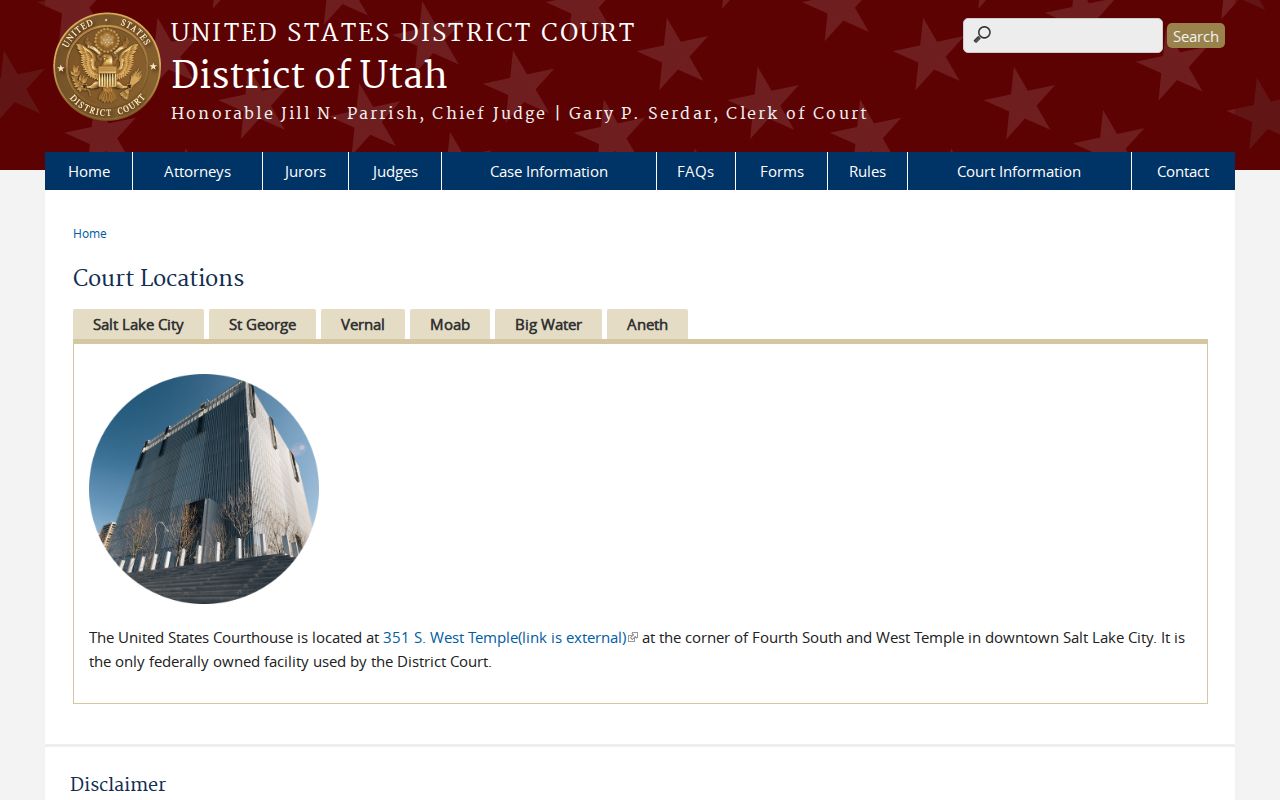
A federal arrest warrant sits in a federal criminal file, not on a Utah state or county docket. San Juan County residents facing one are dealing with a different system. The U.S. District Court for the District of Utah posts court-location information, including session locations in Moab, Big Water, and Aneth. That list helps you identify the right federal courthouse. It is not a searchable active-warrant roster. The official federal court locations page shows the session sites the court publishes. For access or routing questions on an existing federal case, contact the federal clerk through the court's official office page.
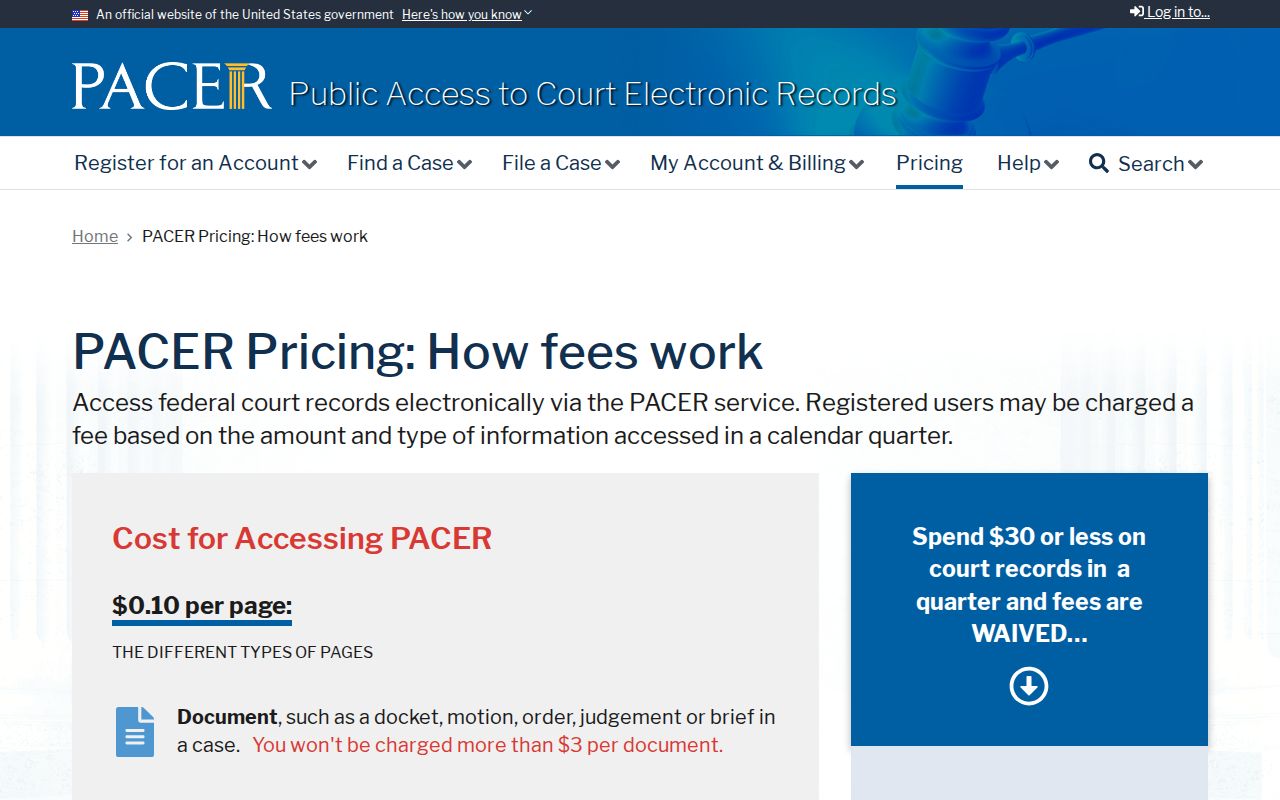
Federal docket research may run through PACER. Its current fee information explains charges and exceptions. Confirm any docket entry with the court itself if current warrant status matters.
Neither a paid docket service nor any San Juan County page replaces confirmation from the federal court that holds the case.
If There's an Arrest Warrant for You
Confirm the issuing court first. Ask the clerk if the warrant is still active. Ask whether you must appear in person. The court also decides what motions it will hear, and only it can recall the order. A lawyer can talk through a walk-through, a surrender, or a bond plan. The Sheriff explains jail processing and payment routes for San Juan County, but never controls recall. Cash bail is taken at the Sheriff's Office 24/7; cards go through Jail ATM with a fee, processing times vary, and bond does not dismiss the charge.
Important: Speak with counsel and the issuing court before surrendering; ask the Sheriff about booking, bail, and the likely processing route.